Protect your investment
When you purchase an RV, it’s wise to consider what steps you can take to protect your investment. Steps like preventive maintenance, proper storage procedures, and looking into some type of RV extended service contract that goes beyond the manufacturer warranty period.
When a dealer sells an RV, they can make more profit by selling additional services. They might offer insurance, tire guard plans, paint protection or an extended service plan. It is up to you to decide if these extras are worth the added expense. I personally believe extended service plans are okay as long as you understand them and how they work.

Prior to purchasing a plan, make sure you understand all your options. Do not feel pressured into buying an extended service contract. If you buy a new RV and purchase an extended service plan that covers both the coach and the chassis, the plan will start the day after the original factory warranties expire. For example, if you purchase a seven-year extended service plan on a motorhome that has a one-year warranty on the coach and a three-year warranty on the chassis, the service plan would be in effect for six years after the coach warranty expires and for four additional years after the chassis warranty expires.
The advantage to purchasing the plan when the RV is new is it will be less expensive on a new unit as opposed to a used unit. If you don’t purchase the plan when you initially buy the RV, you have the option to purchase a plan prior to the factory warranties expiring. Some extended service plans offer coverage on used units (that meet the plans criteria) if you purchase the plan when you buy the used unit. Coverage on a used unit will cost more. Cost is typically based on the age of the unit and the mileage, if it is a motorized RV.
I mentioned a moment ago “if you buy coverage for the coach and the chassis.” That’s because most of these service plans offer different levels of coverage. You might only want additional coverage on the coach, or on the chassis. There are various levels of coverage, and plans are available for different terms too. Make sure you read and understand the extent and term before signing any agreements. If you don’t understand something ask to have it explained to you. You also want to make sure the company offering the plan is reputable and covered by other RV dealers and RV repair centers. An extended service plan is worthless if nobody honors it when you are traveling. If you plan to travel outside your country of origin, make sure the coverage is still available.
Next, check on how a claim is paid. I have seen cases where you pay for the repairs up front and then get reimbursed when you send in a copy of the service order or repair bill. If the repair facility agrees to file the claim most plans only require that you call for approval before repairs are completed. A good plan should be transferable if you sell your RV, it should be renewable so you can extend the coverage, and it should offer a pro-rated refund if coverage is terminated during the term of the contract.
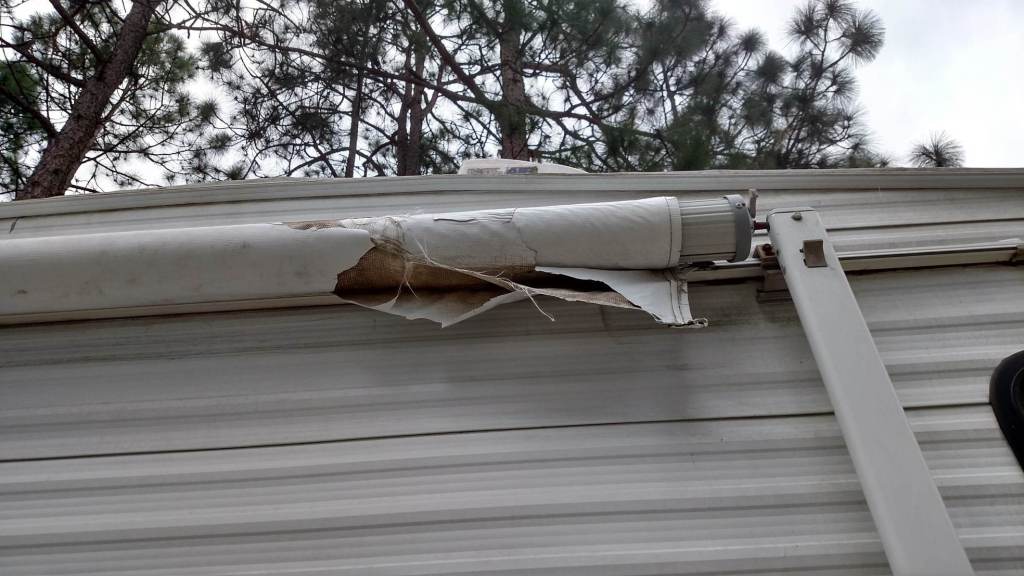
Pricing for these plans is based on several factors. I already mentioned a few, the length of the plan, the extent of coverage, if the RV is new or used, the age and mileage, and the deductible. Some items on the RV, like slide-outs, awnings and entertainment systems may not be covered, unless you pay an additional surcharge. Make sure you understand what these items are, and if you want them to be covered by the plan.
I will reiterate, do not be pressured into purchasing a plan. Ask your RV dealer to give you a price on the plan(s) they offer, then you can shop around and compare pricing for other extended service plans. Just make sure the plans you are comparing offer similar coverage. There are reputable extended service plans available through RV clubs and on the Internet.
Note: Research and know in advance what you plan to do before you go to sign the finance paperwork.
Emergency Roadside Assistance
Do not confuse an extended service plan with an emergency roadside assistance plan. Some service plans will offer additional coverage and protection like a towing service or tire repair service, but most don’t.
Some RV manufacturers include an emergency roadside plan for a certain time period when you purchase a new RV. If the RV you buy does not come with one, I recommend you research and consider a roadside assistance plan. It can make the difference between a fun, relaxing vacation and a stressful ruined vacation.
Visit our RV Online Training Site
Mark J Polk
 RV 101® - RV Education 101®