Should I buy a used RV or a new RV?
Are there advantages to buying a used RV?
What should I look for when purchasing a used RV?
There are some advantages to purchasing a used RV. Used RVs already suffered the brunt of depreciation. Many used RVs have seen only light use. You can save a significant amount of money when you purchase a used RV. You will more than likely have an affordable monthly payment, but conversely, a used RV could be a disaster if you don’t know what to look for.
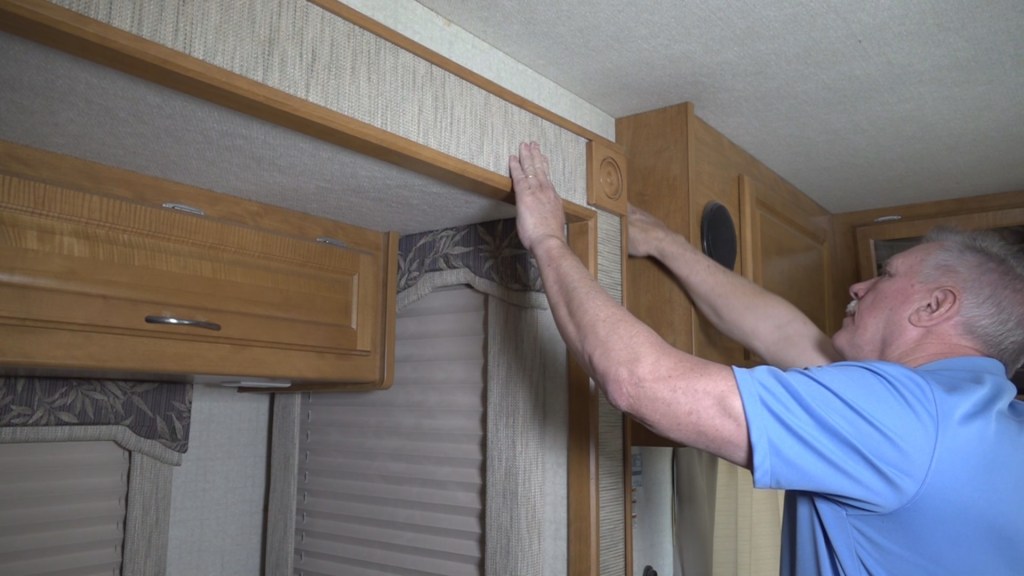
Here are a few important checks to make before you purchase a used RV. First on my list is to check the RV thoroughly for water damage. Water Damage is quite common on used RVs. There are several reasons for this, but the leading cause is, seams and sealants on the RV flex and move until it causes a crack or opening in a seal that water can penetrate.
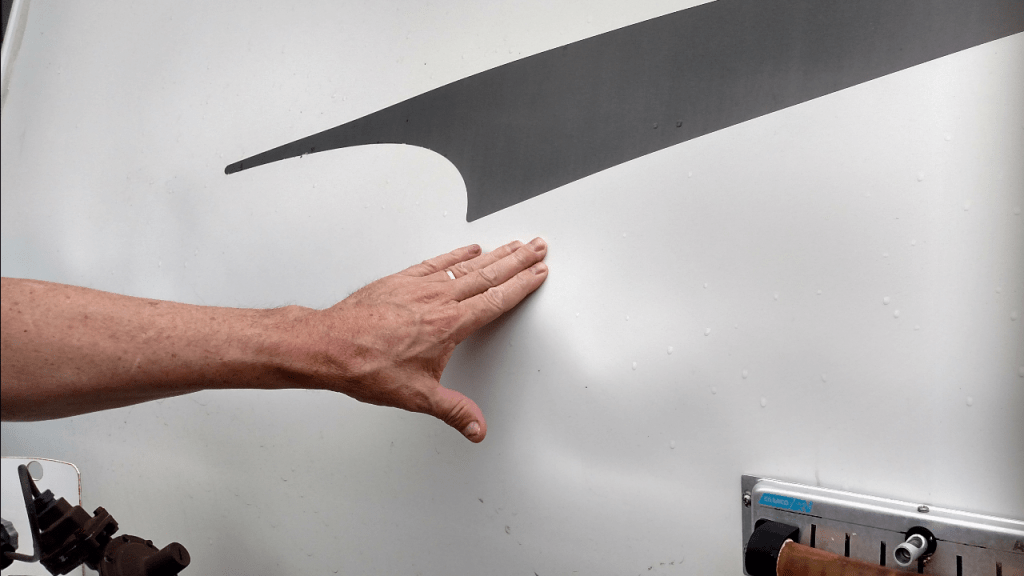
If the previous owner did not inspect and reseal these seams and sealants, chances are there’s some water damage. Another problem is, water damage can be difficult to detect. All the seams and sealants on the RV roof and sidewalls need to be inspected. Indicators of leaks on the exterior are soft spots on the roof, cracked or separated sealants, and soft spots or what looks like bubbles on the sidewall of the RV, where the fiberglass delaminates from the backing. Anywhere the manufacturer cut an opening in the roof or sidewalls is prone to water leaks. On the interior of the RV, you can detect water damage by signs of staining or discoloration, soft spots around window slide-outs, inside cabinets, or on the floor. Water damage is expensive to repair, especially if it has spread. I would avoid buying a used RV that has water damage. I’ve looked at many used RVs we were considering purchasing, and never made it past the water damage check.
Getting past the water damage check is a good sign, and you can move on to the next item on my list, which is checking all the systems and appliances on the RV for proper operation. This check includes the water system, wastewater system, the LP gas system, the electrical system, and every appliance in the RV. Visit RV Online Training for online courses that teach all these subjects.
If you are buying the used RV from an RV dealer and they tell you the RV will go through a predelivery inspection or “PDI,” before delivery, let them know you want to know what items are included in the inspection, and anything they find wrong during the inspection. If you are buying from a private owner, any inspections conducted will be your responsibility. If you are not comfortable performing these inspections, hire a qualified RV inspector to perform the inspections for you. If, for any reason, the owner does not cooperate with any of these inspections, I would not purchase the RV. Remember, there is no warranty, and replacing almost any appliance in the RV can cost $1,000 or more. This can add up quickly.
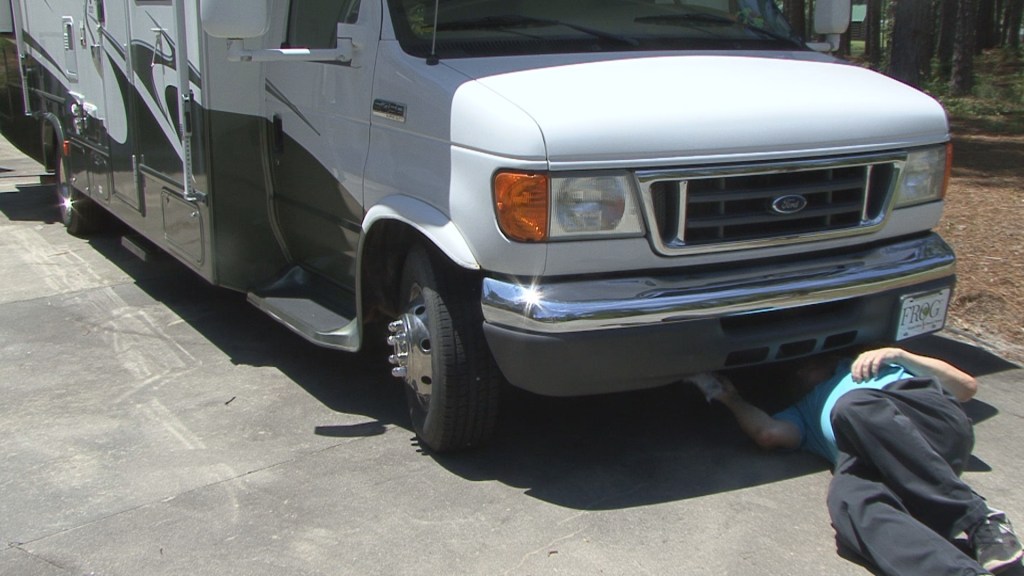
Motorized RVs with an engine, transmission, and rear axle need to be inspected to. If you’re not comfortable inspecting the driveline, try to find an RV inspector who’s qualified to do this. You want to inspect the underside for evidence of leaks. Check the condition of the belts, radiator hoses, and heater hoses. Check all fluid levels to make sure they are topped off and that the fluid is clean. Ask the owner for maintenance records you can review. You need to drive the RV before you buy it. When you drive an RV, check the engine, transmission, and brakes for proper operation. Turn the windshield wiper on, check the air conditioner, the heat, the radio, and other controls on the dashboard.
It is usually easy to tell if an RV was taken care of or if it was neglected. I would avoid any RV that shows obvious signs of neglect. Do not forget the tires. It’s not uncommon for RV tires that look okay to be old. Tires that are six years old or older need to be inspected by a tire professional. If there’s visual evidence of weather cracking or checking caused by exposure to the elements, it’s likely the tires need to be replaced. This can be expensive, especially if it’s a motorhome. Make sure the used RV you’re considering meets your needs. Is it large enough or small enough? Do you like the floor-plan arrangement? Is there adequate storage inside and outside? Are there enough sleeping arrangements? Are the holding tanks large enough for the way you plan to use the RV? These are just a few considerations. Think about how you plan to use the RV and make sure the used RV you are considering fits the bill.
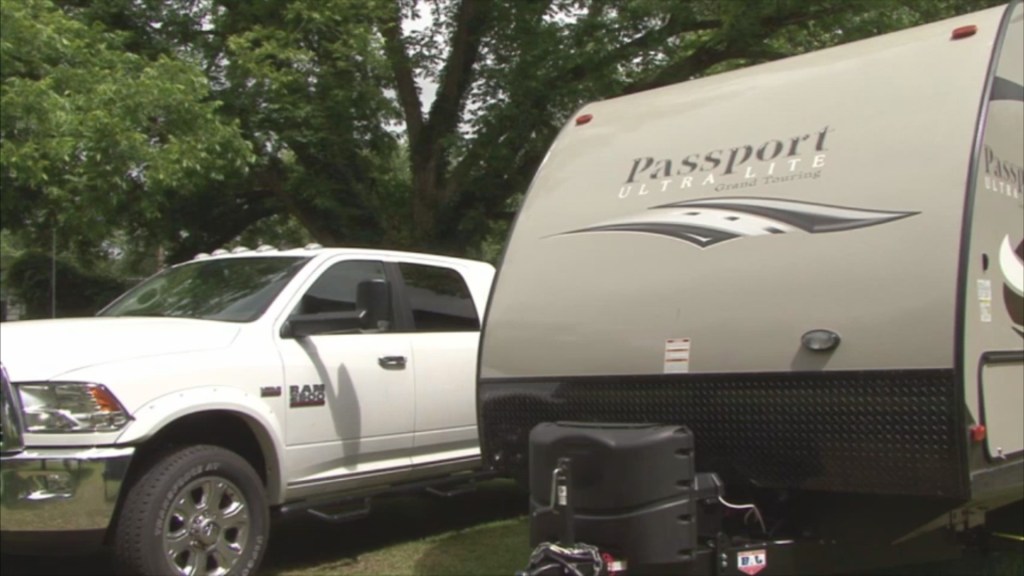
If it’s a travel trailer or fifth-wheel trailer, do you have the vehicle that can safely tow it? Buying another tow vehicle can be an expensive proposition. Check all the trailer weights and make sure your tow vehicle is rated to safely tow the trailer before you purchase the RV. If everything checks out it’s time to discuss price. Some RV owners owe more on the RV than it’s worth. They need to pay the loan off, and they want to sell it for the payoff amount at a minimum. Don’t overpay for a used RV.
There is an RV edition to the National Automobile Dealers Association, or “NADA” guide. This is the appraisal guide most RV dealers use to determine used RV prices and values. The online NADA guide offers low retail and average retail pricing on used RVs. Prices in the guide assumes everything on the RV works as it should, and the RV is in good shape. I always tell people you wouldn’t buy a new RV for full retail price, so you shouldn’t pay full retail price for a used RV. Ask what the price is and try to negotiate the price closer to the low retail price in the NADA guide.
If the RV needs new tires or other repairs, ask if the seller is willing to replace the tires and make the repairs or lower the selling price so you can purchase new tires and make the repairs. If everything on the RV works properly and you can get the price somewhere between low and average retail, it’s probably a fair deal for both you and the seller.
Happy Camping,
Mark Polk
RV Education 101
http://rveducation101.com/
RV 101® Travel Trailer Ultimate Video & E-book Bundle
https://rvonlinetraining.com/p/travel-trailer-ultimate-e-book-and-video-bundle
RV 101® 5th Wheel Ultimate Video & E-book Bundle
https://rvonlinetraining.com/p/rv-101-5th-wheel-ultimate-video-e-book-bundle
RV 101® Motorhome Ultimate Video & E-book Bundle
https://rvonlinetraining.com/p/rv-101-motorhome-ultimate-video-e-book-bundle
Travel Trailer & 5th Wheel Trailer RV Orientation Video Training Course
https://rvonlinetraining.com/p/rv-101-rv-orientation-for-travel-trailer-s-5th-wheel-trailers
Tow Your Travel Trailer Like a Pro Video Training Course
https://rvonlinetraining.com/p/rv-101-trailer-towing-basics
Tow Your 5th Wheel Like a Pro Complete Online Video Training Course
https://rvonlinetraining.com/p/tow-your-5th-wheel-like-a-pro
Motorhome RV Orientation Video Training Course
https://rvonlinetraining.com/p/motorhome-rv-orientation-video-training-course
Drive Your Motorhome Like A Pro Complete Online Video Training Course
https://rvonlinetraining.com/p/drive-your-motorhome-like-a-pro
RV Care & Preventive Maintenance RV DIY® Online Video Training
https://rvonlinetraining.com/p/rv-101-rv-care-preventive-maintenance-online-video-training
RV Essential Items Video Training Course
https://rvonlinetraining.com/p/rv-essential-items
Winterizing and Storing Your RV Video Training Course
https://rvonlinetraining.com/p/winterizing-and-storing-your-rv-video
———————–
A Collection of RV Education 101 E-Books – 8 RV E-BOOK BUNDLE SET
https://rvonlinetraining.com/p/a-collection-of-rv-education-101-e-books-9-rv-e-book-bundle-set
An Introduction to RVs E-book Training Course
https://rvonlinetraining.com/p/an-introduction-to-rvs
Insider’s Guide to Buying an RV E-Book Training Course
https://rvonlinetraining.com/p/insider-s-guide-to-buying-an-rv-downloadable-pdf-e-book
The Original Checklists for RVers E-Book Training Course
https://rvonlinetraining.com/p/the-original-checklist-s-for-rvers
RV Safety Features, Tips & Tricks E-book Training Course
https://rvonlinetraining.com/p/rv-safety-features-tips-tricks
RV Care & Maintenance E-Book Training Course
https://rvonlinetraining.com/p/rv-care-maintenance-e-book-course
Winterizing & Storing Your RV E-Book Training Course
https://rvonlinetraining.com/p/winterizing-storing-your-rv-e-book
RV Battery Care & Maintenance E-Book Training Course
https://rvonlinetraining.com/p/rv-battery-care-maintenance
Trailer Towing Basics E-Book Training Course
https://rvonlinetraining.com/p/trailer-towing-basics-e-book
 RV 101® - RV Education 101®