You may or may not have heard the term Grounding Monitor Interrupters before, but for the sake of those who haven’t let me bring you up to speed. When the 2026 Edition of the National Electric Code or (NEC) is published this year, it will include a new code designed to help protect RV owners and RV users. That is welcome news. Every RV built after this NEC edition goes into effect that has with 30- or 50-amp electrical service is required to have a grounding monitor Interrupter or GMI.
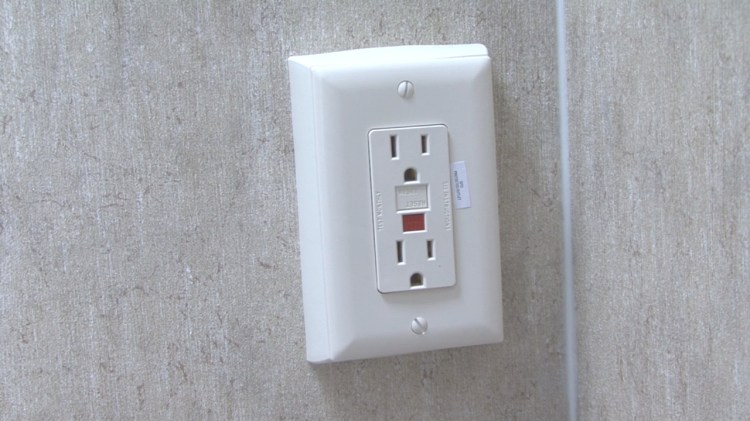
So, what exactly is a GMI? First do not confuse this with another safety device you are probably already aware of, called a Ground Fault Circuit Interrupter or GFCI. A GFCI is also designed to help protect you, but it has nothing to do with a GMI.
A GFCI monitors the electrical current flowing through the receptacle. If for any reason that current is out of balance, it trips and disconnects electrical power, protecting you from possible shock hazards.
On the other hand, A GMI is a loss-of-ground device. It makes sure there is a good ground connection in an electrical circuit. Let’s consider a simple AC circuit as an example. In a typical 120-volt alternating current or AC circuit, the current flows through a hot wire from the power source to the device and then returns to the panel through a neutral wire. The ground wire in a circuit is designed to provide a path for any stray electrical current to follow back to ground, protecting the user from shock hazards like “hot skin” on your RV.
You probably heard the term “hot skin” before but maybe aren’t sure what it is. I experienced a “hot skin” condition once when I owned a 33-foot Prowler travel trailer. “Hot skin” is a term used to describe when an RV’s metal exterior, frame, steps or any other metal item on the RV are energized by current due to improper grounding or other electrical faults. If or when you touch a metal surface on the RV, you can be shocked or worse.
So how does a GMI protect you? Good question. Before any electrical current can flow into the RV, a GMI checks the receptacle for a proper ground connection. After power is flowing into the RV the GMI monitors the ground connection and disconnects the power in the event of a lost or damaged ground connection.
On your RV a GMI monitors damage to the RV’s power cord, or any dog-bone adapters you are using that might affect the proper flow of electricity. It also checks the campground electrical connection for a loss of ground at the pedestal or any current on the grounding wire.
The RV Industry Association RVIA plans to adopt the 2026 edition when it is published this year and enforcement should start by September of 2026.
So, what can we do until this GMI requirement is in full force? Here are a couple of easy steps to take:
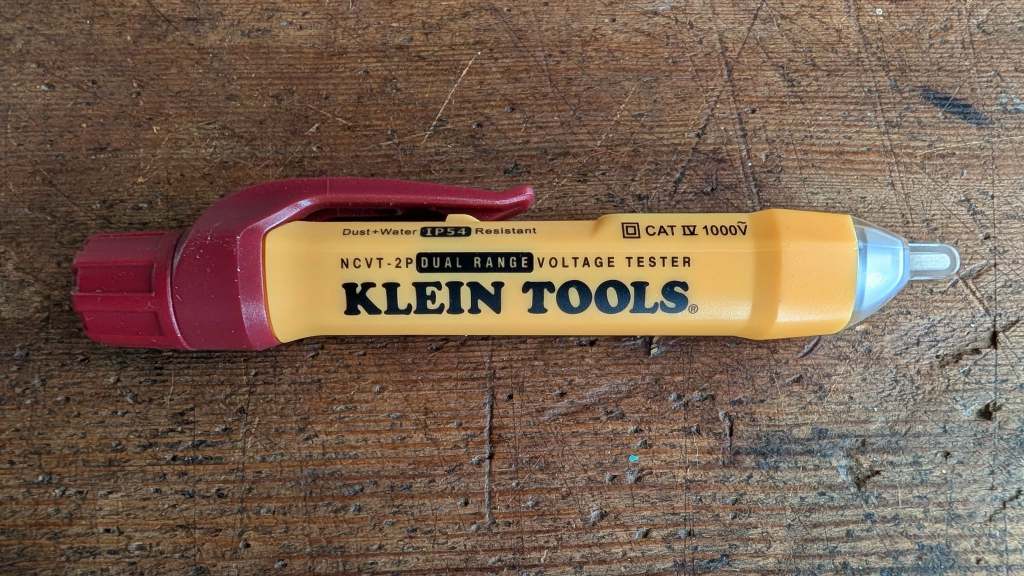
You can purchase and use a Non-Contact Voltage Tester NCVT. It looks like this and after you plug the RV in at the campground or elsewhere you simply turn the tester on and place the tip of the tester close to the RV steps or other metal surface on the RV. If the tester alerts you to voltage unplug the power cord and report the issue to the campground office immediately.
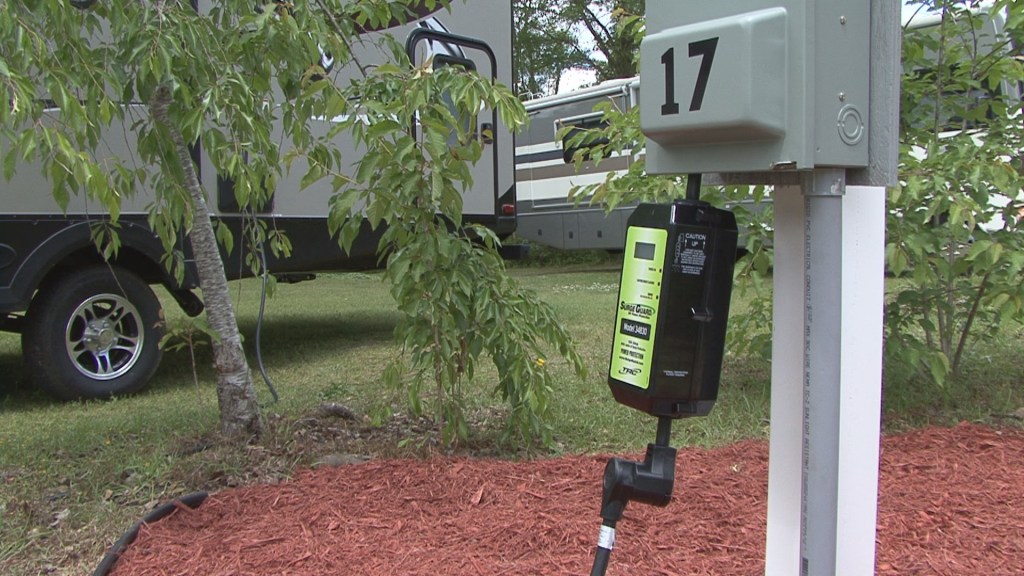
And I recommend using an electrical management system or EMS whenever you plug your RV into a power pedestal. A good EMS will check the wiring for reverse polarity, open grounds, open neutral, and power surge conditions, and turn the power off if it detects an issue.
I’m certainly not a licensed electrician, but hopefully this covers what you should be aware of as it pertains to Grounding Monitor Interrupters. Stay safe out there when you are exploring and enjoying your RV.
 RV 101® - RV Education 101®